
A veterinary anaesthetic known to cause lesions and rotting skin has been detected in limited quantities of illegal drugs seized by law enforcement officers in Los Angeles County, according to the Los Angeles County Sheriff’s Department’s crime lab.
Xylazine, a veterinary sedative that is not approved by the Federal Drug Administration for human consumption, has been found in the local drug supply, raising concerns among law enforcement about the increased risk of drug overdoses.
Xylazine, also known as “tranq” or “tranq dope,” can cause blood pressure to drop to “dangerously low” levels, decrease breathing and heart rate, and damage tissue which can lead to skin lesions and large sores.
The damage it’s capable of causing to the skin can lead to disfigurement and has led to its comparison to a flesh-eating disease, with some in the law enforcement community calling it a “zombie drug.”
Earlier this year, Los Angeles Department of Public Health alerted the public about the drug’s growing prevalence in the community, warning that it’s being mixed with other opioids, including heroin and fentanyl. It’s also been found in counterfeit pills like Percocet and Vicodin as a cheap additive to increase the effects of some drugs.
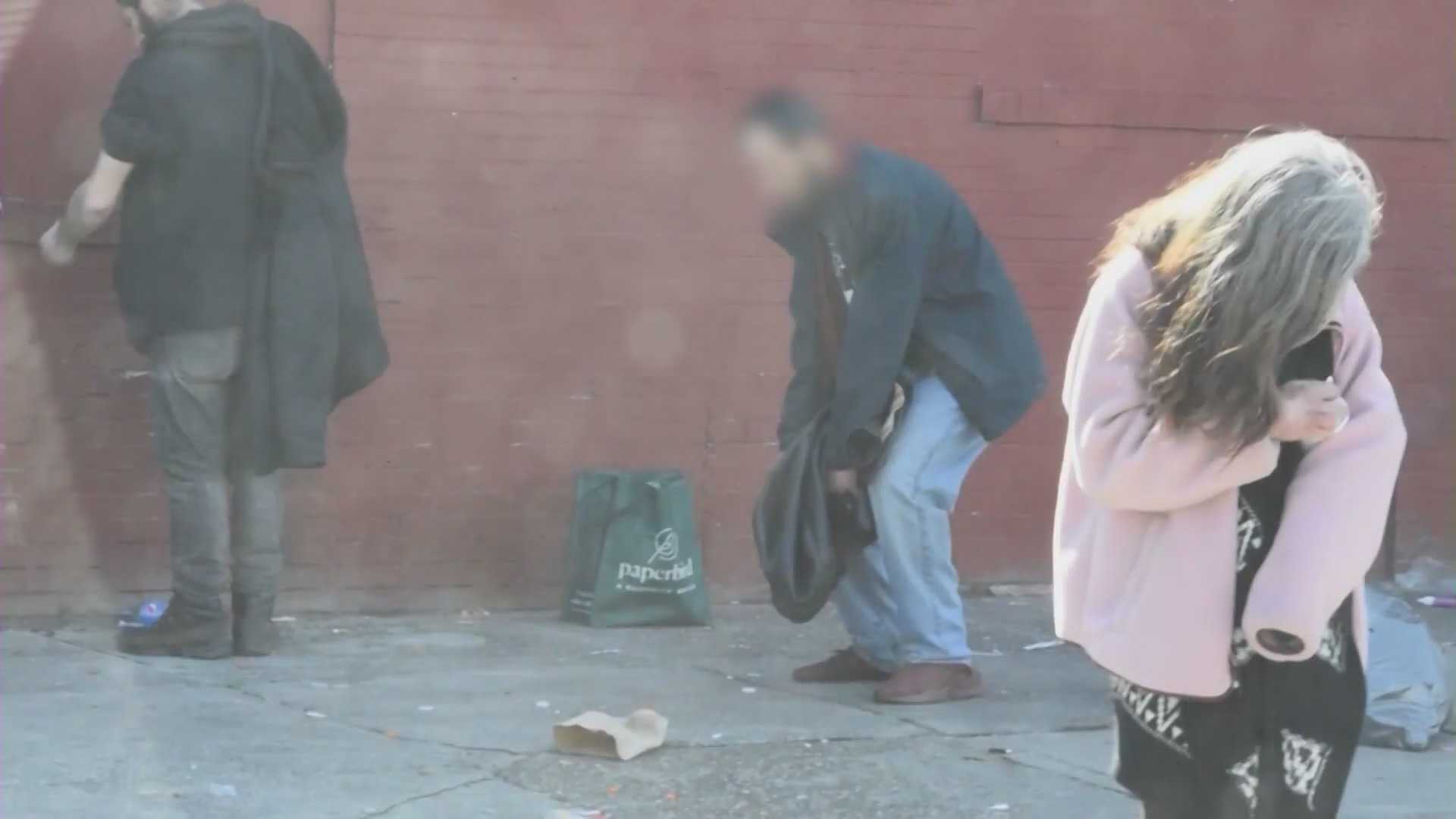
As part of a three-month pilot program, the LASD Crime Lab began testing for xylazine in illegal narcotics that have been seized in regular law enforcement operations. Since April, 4,608 controlled substance samples were tested.
Among those samples analyzed, xylazine was detected in a total of 13 — an overall rate 0.003%. All of those positive samples also contained fentanyl, officials said.
Xylazine was also found to be present in about 4% of all samples that tested positive for fentanyl, a growing favorite for opioid users across the country due to its relatively cheap cost and powerful effects.
Despite the miniscule number of samples that tested positive for xylazine, public health officials stress that the pilot program is not the end-all, be-all. Only drugs that were successfully removed from the street were part of the testing program, so the small percentage might not be indicative of the actual concentration of the additive in the local drug inventory.
While officials urge users to avoid illegal opioids altogether and seek treatment for addiction, there are some useful tips to avoid a possible unknowing exposure to xylazine or other unexpected additives.
The Public Health Department has provided the following list of tips to avoid overdose and accidental exposure:
- Never use alone: Using with another person is protective and increases the chances of lifesaving interventions such as the administration of naloxone in instances of an overdose.
- Use small “tester” doses: Starting with small amounts and increasing amounts slowly can help reduce the risk of an overdose if a substance someone is using is contaminated with fentanyl or xylazine.
- Stagger drug use with others: Making sure at least 1 person in the group can administer naloxone to reverse an overdose can save a life.
- Avoid mixing drugs: The effects of combining substances may be stronger and more unpredictable than using one drug alone, and mixing and using multiple drugs increases the risk of an overdose.
- Carry naloxone: Naloxone can reverse an opioid overdose. While xylazine is not an opioid, because it is being found with opioids, naloxone can still successfully restore breathing and reverse the effects of opioids and fentanyl when xylazine is mixed with these drugs.
- Use fentanyl test strips to test drugs for fentanyl: Being able to detect fentanyl in a substance can help people who use drugs use more safely—for example by having naloxone on hand or using smaller amounts of the substance or using a different drug that doesn’t contain fentanyl.