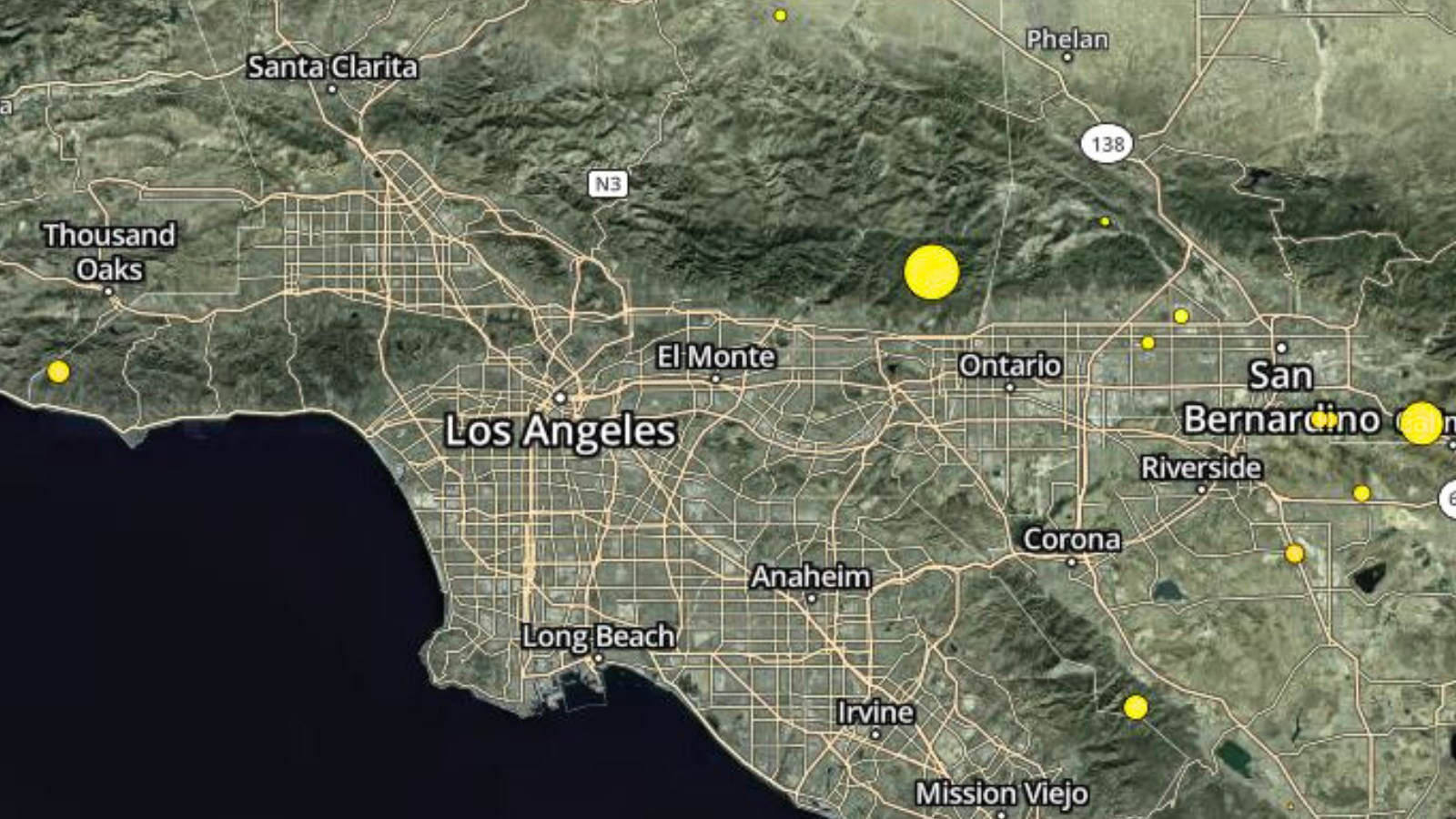
Wondering, “Was there an earthquake now?” Track the **latest earthquakes and aftershocks in California with this interactive map. Data is proudly provided by the U.S. Geological Survey (USGS).
Understanding Earthquakes in California: History & Faults
Hundreds of earthquakes shake California each year. While many are extremely minor, typically several dozen measure over 3.0 magnitude.
According to the California Department of Conservation, the strongest quake ever recorded in the Golden State measured an astonishing 7.9 magnitude. This powerful temblor struck Fort Tejon on January 9, 1857.
More recently, on April 18, 1906, a devastating 7.8-magnitude earthquake hit San Francisco, tragically claiming as many as 3,000 lives. The strongest quake of this century, a 7.1-magnitude temblor, was recorded on July 5, 2019, impacting the Ridgecrest/Trona area. Thankfully, no fatalities were reported from that event.
Did you know? In the North American continent, only Alaska experiences more earthquakes per year than California.
The California Earthquake Authority reports that over 500 active faults crisscross the state. This means most California residents live within just 30 miles of an active fault line.

Earthquake Safety in California: Essential Guidelines
During an earthquake, knowing the proper steps to protect yourself and minimize injury is absolutely crucial. The California Department of Public Health (CDPH) offers detailed guidelines on what to do during such events. Here are the key points to remember:
Immediate Action: Drop, Cover, and Hold On
- Drop: As soon as you feel shaking, immediately drop down onto your hands and knees. This position helps prevent you from being knocked over and allows you to stay low if you need to crawl to safety.
- Cover: Use one arm to shield your head and neck. If possible, seek shelter under a sturdy table or desk. If no sturdy furniture is available, get down next to an interior wall, away from windows. Stay on your knees and bend over to protect your vital organs.
- Hold On: Grip your shelter firmly until the shaking completely stops. Be ready to move with your chosen shelter if it shifts during the quake.
Staying Safe Indoors During an Earthquake
- Remain indoors until the shaking stops and it’s absolutely safe to exit. Most earthquake-related injuries happen when people try to move to a different location inside or attempt to leave the building.
- Steer clear of windows, glass, mirrors, exterior walls, and doors. The safest spots are typically against an interior wall, far from potential hazards.
- If you’re in bed, stay there. Protect your head and neck with a pillow, and move away from windows if possible.
- Never use elevators in a high-rise building during or immediately after an earthquake. Fire alarms and sprinkler systems might activate, but don’t leave the building unless you’re certain it’s structurally unsound.
What to Do Outdoors During an Earthquake
- If you find yourself outdoors, quickly move to a clear spot away from buildings, trees, streetlights, and utility wires. Drop to the ground and stay there until the shaking subsides.
- If you’re in a vehicle, pull over to a clear, open location. Avoid stopping under overpasses, bridges, or power lines. Stay inside your vehicle with your seatbelt fastened until the shaking stops. Once it’s safe to proceed, drive with extreme caution and avoid any bridges or ramps that might have been damaged.
Safety Tips for Crowded Public Spaces
- If you’re in a public place like a store or theater, resist the urge to rush for the exits. Instead, immediately Drop, Cover, and Hold On. Move away from display shelves or other falling hazards, and stay low to protect yourself from any falling debris.
Navigating Unique Earthquake Situations
- If you’re near the shore, be acutely aware of the possibility of tsunamis. Move inland or to higher ground immediately after the shaking stops.
- If you’re driving, pull over to a safe spot and remain inside your vehicle until the shaking stops. Crucially, avoid stopping under bridges, overpasses, and power lines.
- If you’re in a mountainous area, be vigilant about the potential for **landslides**. Move away from slopes if it’s safe to do so.
Actions to Take After an Earthquake
- Check yourself and those around you for injuries. Administer first aid if needed and seek emergency assistance promptly.
- Be prepared for aftershocks. While typically less violent, these secondary shockwaves can still cause further damage to structures already weakened by the main quake.
- Tune into a battery-operated radio or television for essential emergency information. Always follow the advice given by local authorities.
- Carefully inspect your home for any damage. Use a flashlight instead of candles or matches in case of gas leaks. Check for and extinguish any small fires immediately.
For even more detailed guidelines and specific safety tips, we strongly recommend visiting the California Department of Public Health’s official website.
Earthquake Headlines