An autism diagnosis can take years, but a new hair test promises answers much sooner – even for babies as young as one month old.
Rebecca Bertheola noticed her 3-year-old son George showing early signs of possible autism — covering his ears, sensitivity to noise, and not always responding to his name. Her pediatrician explained that a traditional autism diagnosis could take a year or longer.
“It did seem like longer than what I wanted… because I was seeing signs and I kind of wanted confirmation,” Bertheola said.
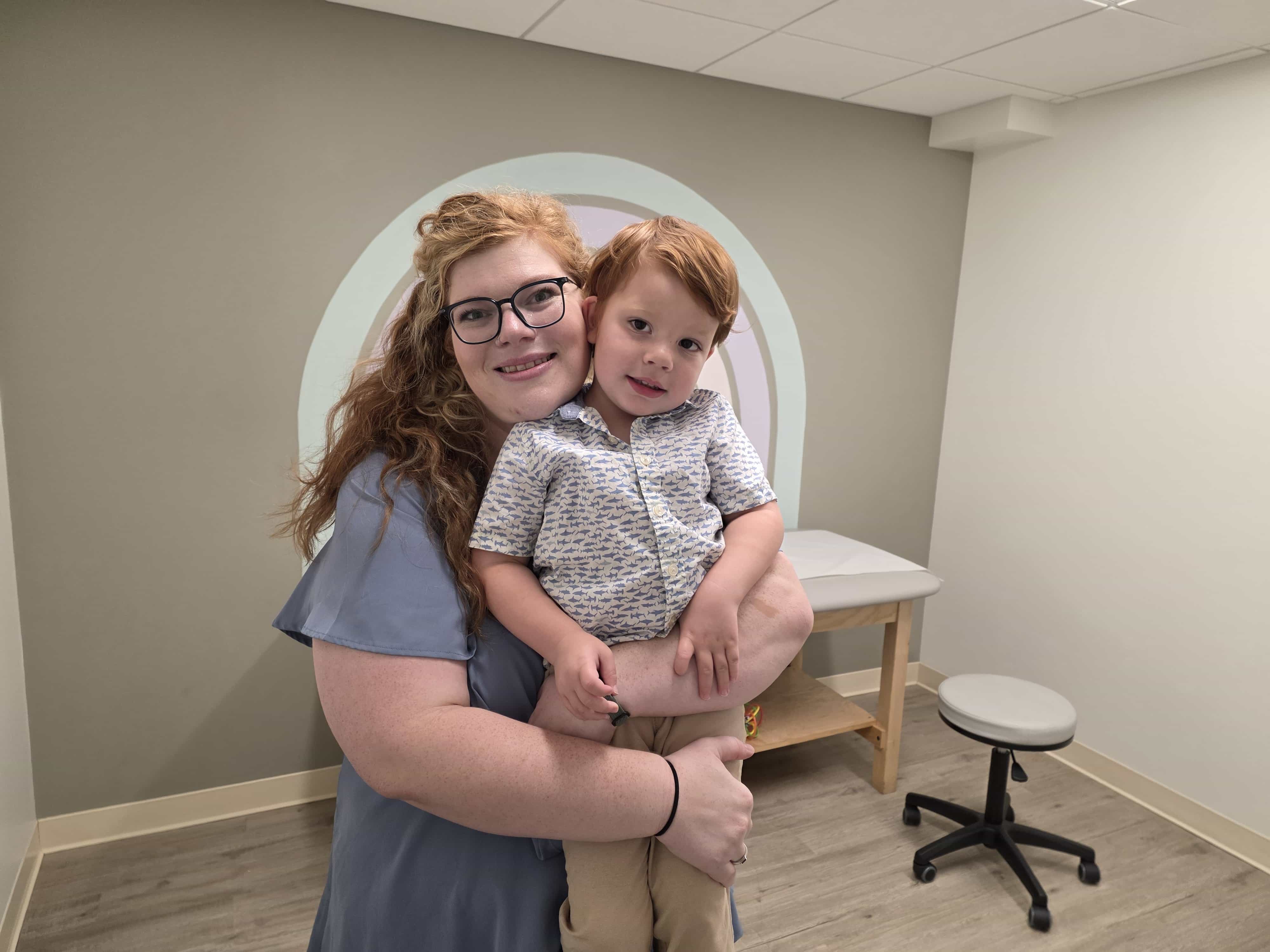
That’s when she learned about a new test called ClearStrand, available for children as young as one month and up to four years old.
“What I like about ClearStrand is it’s not invasive… it’s not a blood test,” said pediatrician Dr. Tanya Altmann of Calabasas Pediatrics.
The test requires just a few strands of hair, collected at home and mailed to a lab. Results come back in about three to four weeks.
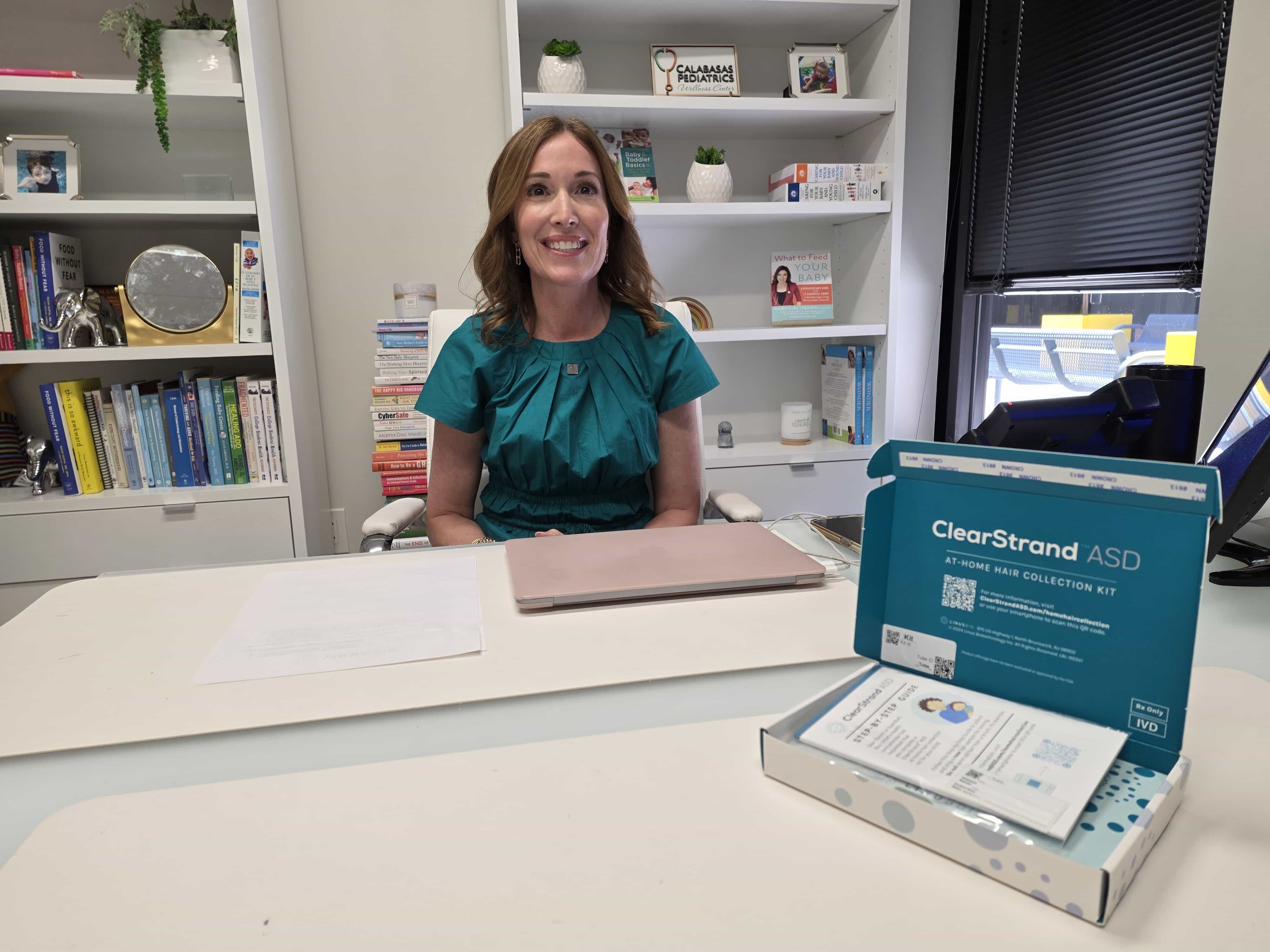
“ClearStrand is another tool now where we can really get early objective data even before the official clinical diagnosis can be made … and this can help us with early therapy and treatments,” explained Altmann.
“ClearStrand is 95 percent accurate in ruling out autism,” said Dr. Manish Arora, founder and CEO of LinusBio. He helped invent the test, partly inspired by his own daughter.
“My youngest daughter is neurodiverse. But getting the right diagnosis for her took me two years,” he explained.
The technology uses lasers to analyze hair like growth rings on a tree, searching for biomarkers over time. “This single strand of hair, about one inch, is like a thousand blood tests,” said Arora.
At $750, ClearStrand isn’t cheap, but the company says it’s working to reduce costs and expand insurance coverage.
“Our vision is that in the next six months to one year, we will have coverage by one of the major insurance groups,” Arora said.
For Rebecca, the positive test result wasn’t necessarily a surprise – but it gave her family clarity.
“It was a little heartbreaking at first because I didn’t know where to go from there, but also it was like a sense of relief. Because we didn’t have to wait so long.”
The company behind ClearStrand says future applications for the technology could expand to ADHD, ALS, pancreatic cancer and other conditions.