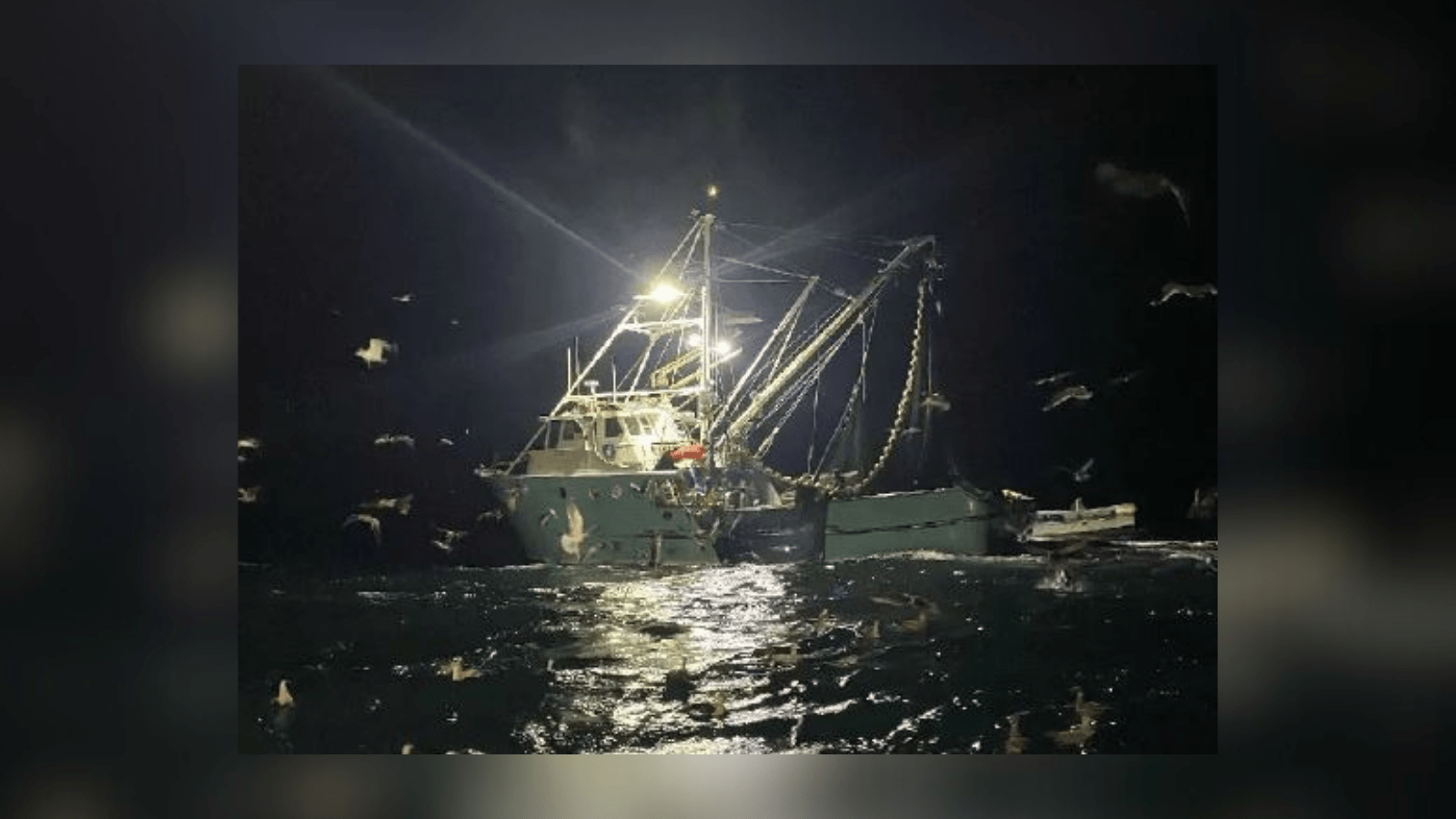
The Ventura County District Attorney’s Office announced Monday that a local fishing boat captain has been fined for illegally dumping toxic waste into the Pacific Ocean off the Southern California coast.
William Porter McHenry, who owns and operates McHenry Fisheries, Inc., allowed waste known as “stick water” to be dumped in the ocean, according to a VCDA release. The vessel run by McHenry Fisheries, the 67-foot Sea Pearl, was observed by authorities heading out to sea while releasing stick water and then returning on Dec. 6, 2024.
Stick water is created during the squid fishing process, Ventura County officials said, explaining that squid are caught with nets and placed in the boat’s fish hold, which is filled with saltwater.

“As the squid die, they release ink containing high levels of ammonia, turning the water dark and toxic,” the Ventura County DA’s Office said in their release. “This mixture…is classified as a harmful substance.”
Once the squid are brought onshore, fishing companies are required by law to store the stick water and any leftover wastewater in their vessel’s hull. They must then properly dispose of the stick water at least three nautical miles offshore, officials said, as it can harm local marine life.
McHenry, however, did not do that, according to Ventura County authorities.
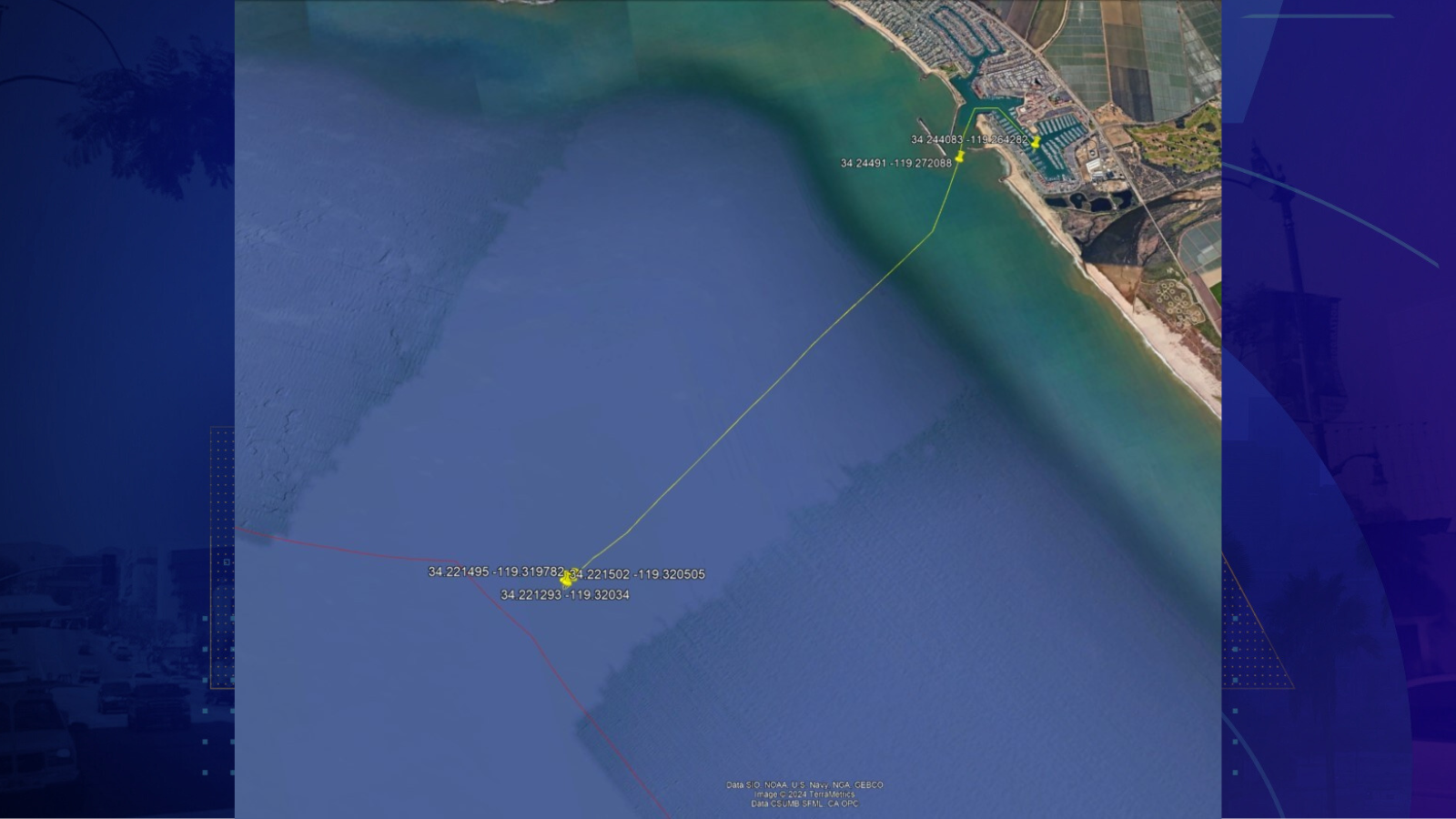
“An investigation by the California Department of Fish and Wildlife revealed that the Sea Pearl offloaded 206,298 pounds of market squid in the Ventura Harbor before receiving back the stick water from onshore tanks operated by Silver Bay Seafoods,” VCDA’s release stated. “CDFW officers observed the vessel heading past the Ventura Harbor break wall, purportedly dumping stick water before turning back toward shore without ever reaching the state waters boundary line.”
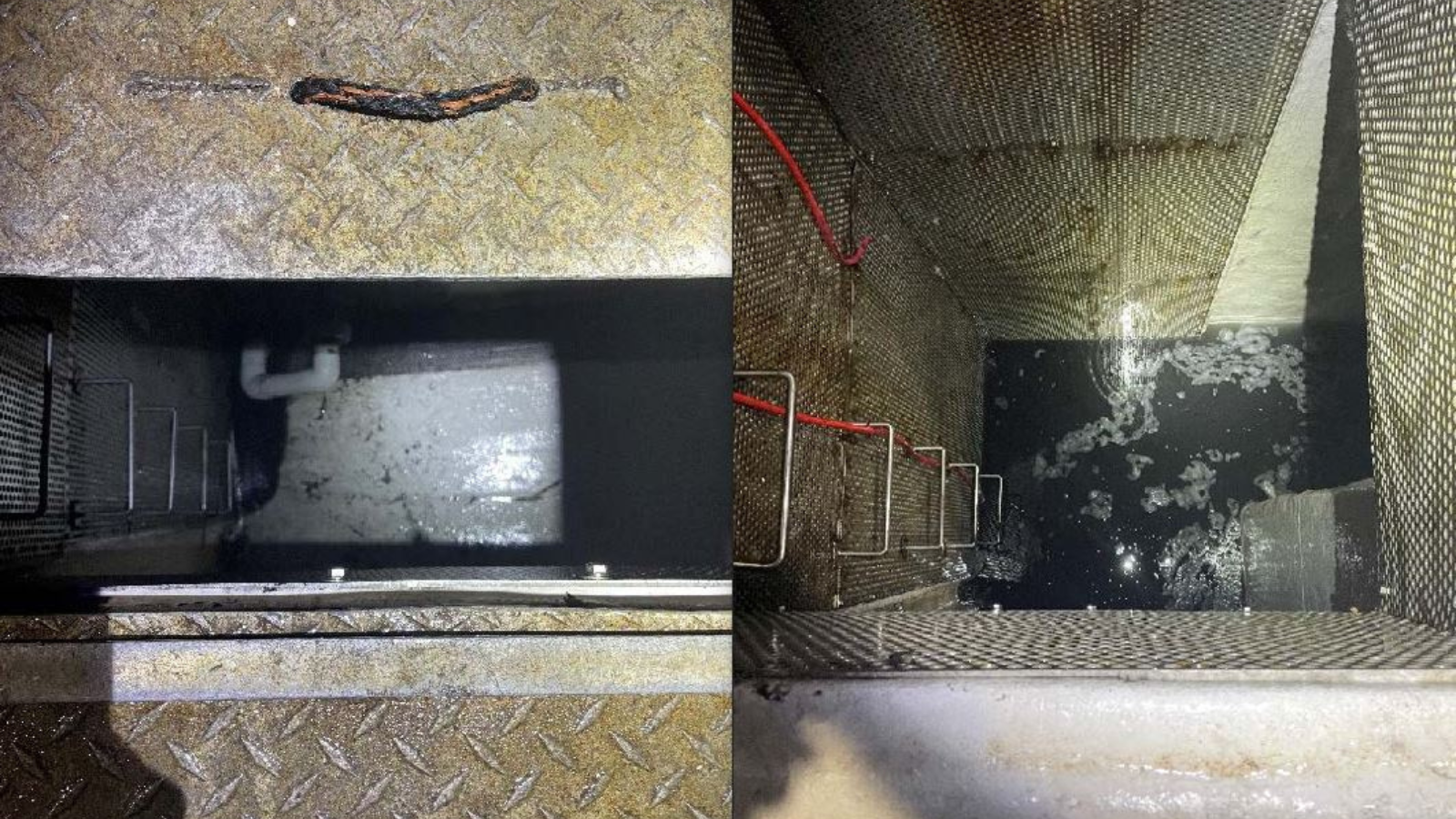
When a CDFW warden boarded the Sea Pearl to inspect the vessel’s fish holds and commercial fishing licenses, they found that three of the four fish holds were completely empty, with only a small amount of stick water remaining in the fourth hold.
Upon McHenry submitting the vessel’s recent navigation track logs, the warden was able to confirm that the Sea Pearl did not make it beyond the three-mile requirement.
As part of the settlement, McHenry must pay nearly $17,000, including $8,444.69 for environmental restoration, $6,555.31 in penalties and investigation costs to the district attorney’s office and $1,889.39 for unfair business practices.
The environmental restoration funds will go to the Ventura County fish and Wildlife Fund as well as the California Department of Fish and Wildlife.