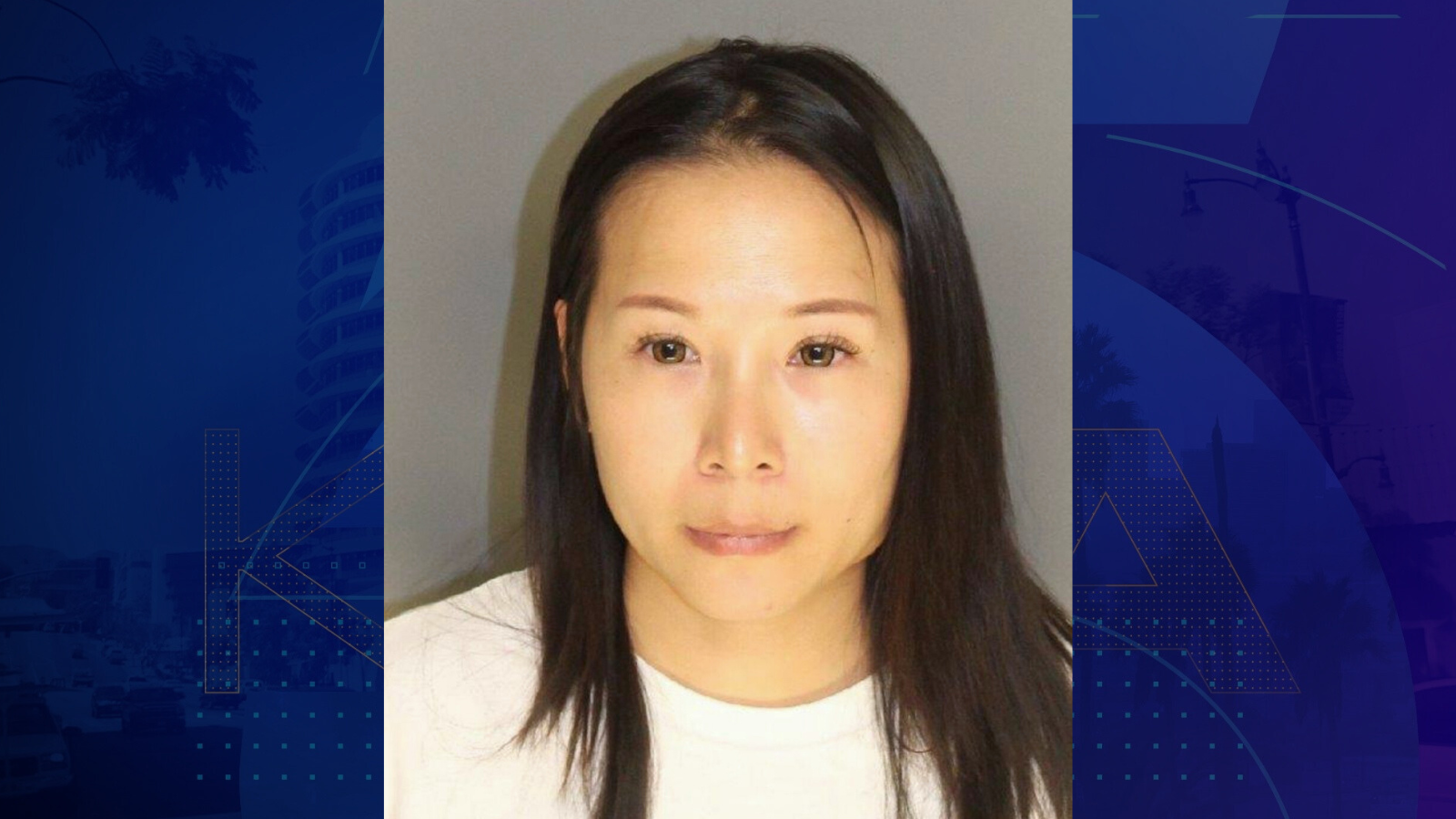
A Los Angeles woman was arrested for allegedly scamming an elderly woman out of thousands of dollars through an elaborate scheme.
The suspect was identified as Caihong Lei, 34, according to the Santa Barbara County Sheriff’s Office.
On Aug. 4, the victim, a 77-year-old woman from Goleta, received a call from the suspect who pretended to be an Amazon employee. She falsely told the victim about unauthorized charges on her account and fabricated bank accounts that were opened in her name, detectives said.
The call was transferred to a fake Federal Trade Commission (FTC) agent, who told the victim to withdraw $30,000 in cash from her bank accounts to “resolve” the issues.
“The scammer coached her on fabricating a story to avoid bank suspicion, remained on the line during the withdrawals at two Bank of America branches, and demanded photos of the cash, receipts, herself, and a sealed box containing the money,” court documents said.
The victim grew suspicious after noticing misspellings in an email from the fake agent, so she contacted deputies while she was still on the phone with the scammer.
Authorities arrived at the victim’s home, where they reportedly spotted the female suspect lingering near the house as she retrieved the box of cash.
As she walked toward her vehicle, she was quickly apprehended by deputies and booked into Santa Barbara County Jail for grand theft by false pretense and conspiracy to commit fraud. She is being held on $500,000 bail.
Earlier that day, deputies received reports of two other similar scams where the suspects escaped with $40,000 in Goleta and $45,000 in Montecito.
“The additional scams in Goleta and Montecito involved similar tactics, with victims coerced into withdrawing large sums of money under false pretenses,” the sheriff’s department said. “The Criminal Investigations Division is pursuing further leads, including potential connections to organized scam networks.”
Some tips to protect yourself from scams include:
- Verify claims independently – Never act on unsolicited calls about account issues. Hang up and contact the company or agency directly using official numbers from their website
- Be wary of urgent demands – Scammers create pressure to withdraw or send money quickly. Legitimate organizations like Amazon or the FTC do not request cash withdrawals or personal photos
- Protect personal information- Avoid sharing bank details, photos, or passwords over the phone or email. Report suspicious activity to your bank immediately
- Recognize red flags – Poor grammar, misspellings, or requests for unusual actions (like fabricating stories) are common scam indicators
- Report suspicious activity – If you suspect a scam, call your local law enforcement agency. For emergencies, dial 911 or text 911 if unable to call